160
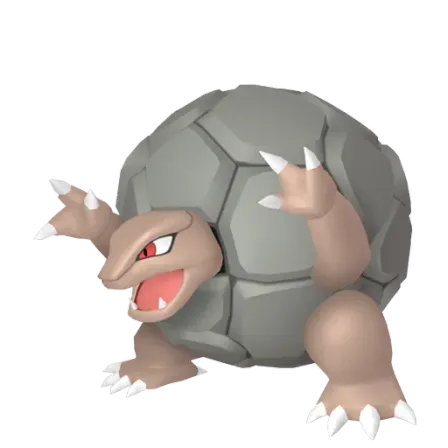
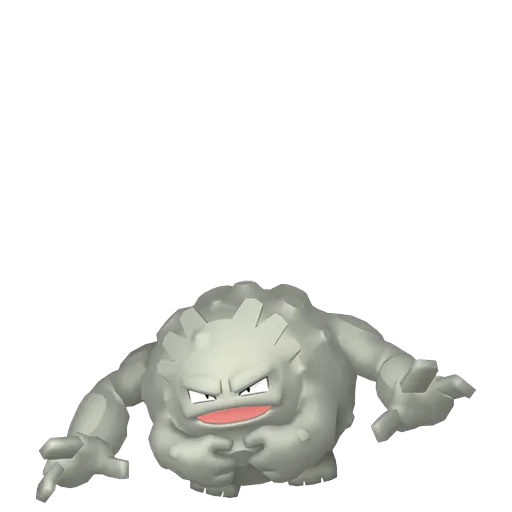
Graveler
How to Find
habitat
How to Find
habitat
Habitat route
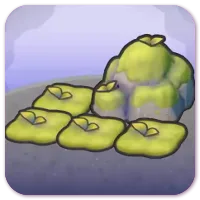
Graveler is a habitat target. Build Mossy boulder, then use the time and weather checklist before waiting for visits.
Start with the listed habitat conditions and treat every Pokédex entry as its own collection target.
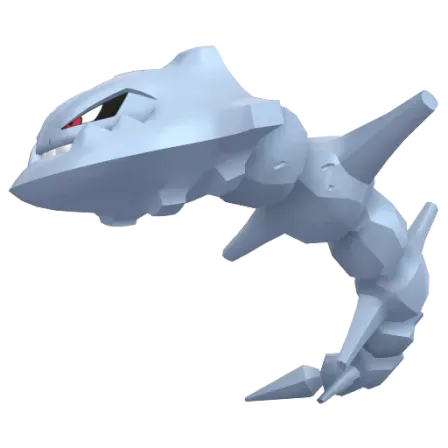
Graveler is a Rock and Ground-type Pokémon in Pokopia. You'll see it most reliably when Mossy boulder habitat is in place, with visits clustering around all day and sunny, cloudy, and rainy conditions.
Graveler is rated Uncommon. Uncommon sits one step above the baseline: expect a visit within a day or two of placing the matching habitat, but don't expect it on the first sunrise after building.
To keep Graveler returning, lean into the Crush specialty when laying out the habitat — Pokémon in Pokopia respond to matching gameplay loops more than to raw decor count. If a listed habitat isn't built yet, check the habitat guide cards below for the exact materials and placement notes; Graveler usually shares its preferred habitats with a small cluster of related Pokémon, so the build pays off for more than just one entry.
Other Pokémon you'll see at the same habitats as Graveler include Golem. That overlap is why we recommend planning habitat builds around a cluster rather than a single entry: once the materials for Mossy boulder are placed, you're effectively staking out spawns for the whole group at once, which is the fastest way to grow the Pokédex without redoing crafting work.
The most common mistake with Graveler is treating the habitat list as a decoration checklist only. In practice, the order matters: build the cheapest matching habitat first, verify that the time-of-day and weather window on this page is active, then wait through at least one full in-game day before spending rare materials on a second setup. If Graveler still does not appear, check whether a sibling Pokémon from the same cluster is visiting instead — that usually means the habitat is correct and the remaining variable is rarity or timing, not the recipe itself.
For daily routing, pair Graveler's habitat work with one material stop and one nearby Pokédex target instead of chasing it in isolation. That keeps the page useful after the first visit: the structured data above tells you what to build, while the related habitat and sibling links below help you turn the build into a repeatable route across multiple entries.
Data note: this page separates hard fields from planning advice on purpose. The tables above come from Pokopia's structured Pokédex data, while the route notes here explain how to use those fields without inventing unlisted mechanics. If a habitat, weather window, or unlock method is absent from the record, treat that absence as a warning to verify the related guide before spending rare materials. That makes Graveler's page useful both as a checklist and as a guardrail against building from copied or outdated rumors.
Use the favourite toggle on this page if Graveler is on your current dex priority — favourited entries surface in the planner's long-term goal list, and the habitat cards below link straight to the build recipes that gate the visit.
Types
Specialties
 Crush
CrushBest time
 Dawn
Dawn Daytime
 Dusk
Dusk Nighttime
Weather
 Sunny
Sunny Cloudy
 Rainy
RainyHabitat builds
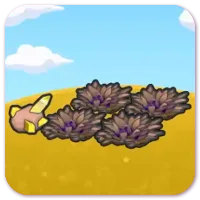
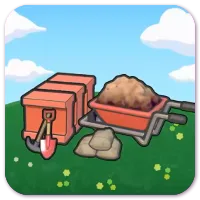
Build the Mossy boulder habitat and wait for the all day / sunny, cloudy, and rainy window to open. Rarity tier is Uncommon, which sets how patient you need to be after the habitat is placed.
Other Pokémon visiting at least one of Graveler's habitats: Golem. Building the habitat once unlocks the entire cluster, so plan around the group rather than the single entry.