
109
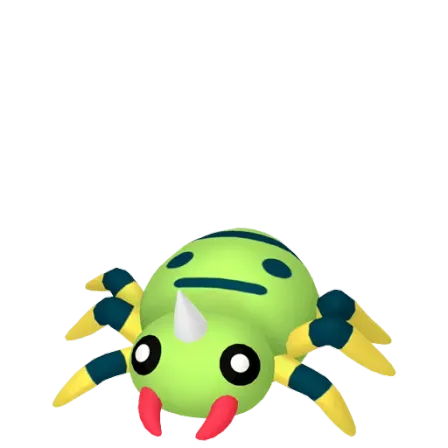
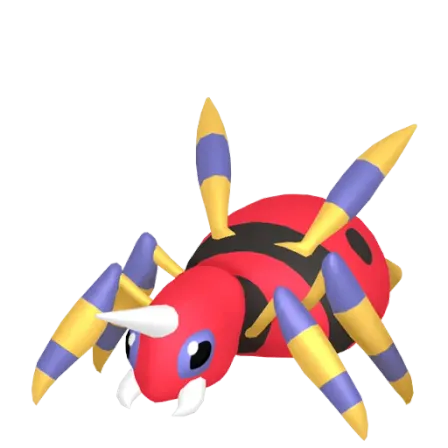
Spinarak
BugPoison
 Litter
Time of day


 Weather

 Habitats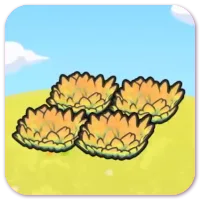
Route check
Yellow tall grass is a Easy Nature habitat with 4 total materials and 3 listed visitors. Use this card to decide whether it belongs in today's route before reading the long guide.
Build now if
Build Yellow tall grass now if you need a cheap starter build or want broad Pokédex coverage with low material risk.
Skip for now if
Skip for now if none of the listed visitors is a current Pokédex target; this build is too focused to place casually.
Bottleneck material
Yellow Tall Grass is the bottleneck at 4 units; find that source before you place the rest of the layout.
Visitor value
Medium visitor coverage: 3 entries are enough when at least one is on your active route.
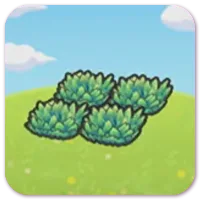
Yellow tall grass is an Easy Nature habitat that uses 1 material types and 4 total pieces. It is best treated as a focused layout rather than a generic decoration cluster.
The full recipe for Yellow tall grass is Yellow Tall Grass ×4, totalling 4 stacked items across 1 distinct material. Yellow Tall Grass is the largest single ask in the recipe at 4 units, so treat that one as the gating material when you plan farming routes — locking down a daily collection loop for Yellow Tall Grass usually unblocks several adjacent habitat builds at once, not just this one.
Yellow tall grass attracts Spinarak, Ariados, and Grubbin. Because Pokémon visits are habitat-bound, the moment this build is placed the entire roster above becomes eligible to drop in on the right time-of-day and weather windows. That cluster behaviour is what makes habitat investment pay off — one recipe, multiple Pokédex pages cleared.
Yellow tall grass is rated Easy difficulty in the Nature category. Easy habitats are the first builds new players unlock. Material requirements stay inside the starter resource pool and the visit conditions tolerate broad time-of-day or weather windows. Nature habitats lean on raw outdoor materials — wood, plant matter, basic stone — and tend to attract Grass, Bug, and Normal-type visitors. They're the densest category in the catalogue, so most clusters of habitats you'll see in town are Nature variants.
Once Yellow tall grass is up, the natural follow-ups in the same Nature category are Tall grass, Elevated tall grass, and Riding warm updrafts. They share the broad material family and the visiting Pokémon types overlap, so each successive build extends an existing farming route instead of starting a new one — that's how you compound habitat investment without spreading materials too thin across the map.
Build Yellow tall grass when at least one Pokémon on its roster is already on your active Pokédex route, not just because the recipe is available. The practical test is simple: if you can farm the largest material in one daily loop and you have a second target that shares this category, the habitat is ready to build. If either condition is missing, park it in the planner and spend the day on cheaper habitats that unlock broader clusters first.
The common mistake is swapping materials until the scene looks right. Pokopia habitat checks are stricter than appearance: a visually similar object can move the build into a different attraction pool. Use the material checklist on this page as the source of truth, then verify success by watching whether any listed Pokémon enters the visit rotation. If a sibling habitat starts working first, keep both builds near the same route so the travel time stays low.
After the build is complete, use Yellow tall grass as a verification loop rather than a one-time recipe card. Recheck the roster after each major town upgrade, because new region access can change which route is best for farming the materials even when the habitat itself stays the same. If the page lists no normal material or visitor data, treat it as a special-case habitat: follow the unlock guide first, keep screenshots or planner notes of the trigger you used, and avoid copying generic recipes from other sites onto this build.
Rebuild this setup by matching the exact material mix below. Tight material counts matter because many Pokopia habitats overlap visually but trigger different attraction pools.
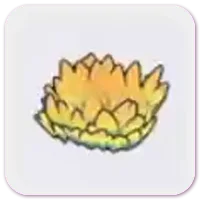 Yellow Tall Grass ×4
Yellow tall grass currently attracts Spinarak, Ariados, Grubbin. Use these linked Pokemon pages to compare spawn conditions and related habitat builds.
Browse other Nature habitats when you want nearby alternatives in the same biome family.
Best zone
Place Yellow tall grass inside a Nature leaning part of your island so nearby props reinforce the habitat signal.
Scaling
Repeat the layout in clusters and pair it with matching support props to improve spawn consistency for the Pokémon listed above.
Yellow tall grass's recipe calls for Yellow Tall Grass ×4 — 4 stacked items across 1 distinct material. The biggest single ask is Yellow Tall Grass at 4 units; lock down a daily route for that one and the rest of the recipe usually follows.
Yellow tall grass attracts Spinarak, Ariados, and Grubbin. Building the habitat once opens visit windows for the entire roster, so plan around the cluster rather than chasing a single entry.
In the same Nature category, the natural follow-ups after Yellow tall grass are Tall grass, Elevated tall grass, and Riding warm updrafts. They share the broad material family and overlap on visiting Pokémon types, so each successive build extends an existing farming route instead of starting a fresh one.